

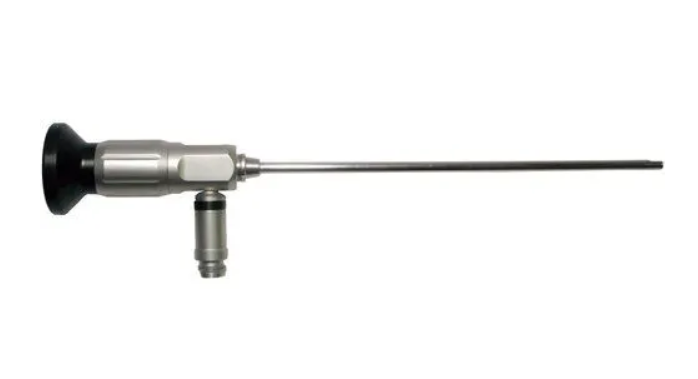
Modern aircraft are engineered for performance, efficiency, and reliability, but that often means internal components are packed into tight spaces with limited access. Engines, accessory sections, nacelles, and structural cavities can include sharp turns, narrow ports, and reflective surfaces that make inspections difficult even for experienced technicians. Yet these hard to reach areas are exactly where early indicators of wear, heat distress, corrosion, and foreign object damage can hide.
That is why specialized inspection cameras, especially aviation-focused borescopes and videoscopes, are a core part of effective maintenance programs. The right tool helps technicians reach the target safely, capture clear evidence, and document findings in a way that supports review and trending. Many maintenance teams evaluate inspection solutions through USA Borescopes because having the right probe diameter, articulation, and lighting control can turn a frustrating inspection into a repeatable process.
Why hard-to-reach areas are where problems hide
When access is limited, inspections can become rushed or incomplete. That increases the chance that small issues remain undetected until they create larger problems. Hard-to-reach locations also tend to trap heat, moisture, residue, or debris, which can accelerate damage.
Hidden damage, hidden contamination, hidden wear
Many aircraft issues start as subtle changes that are easy to miss without a clear view. In tight internal areas, common concerns include:
- Early cracking, surface distress, or coating loss that indicates heat or stress
- Small edge damage on blades or vanes that can progress under vibration
- Corrosion in cavities where moisture and contaminants accumulate
- Residue or buildup that suggests a leak path or airflow disruption
- Foreign objects trapped in places that are hard to access for removal
When these issues are found early, maintenance teams gain options. They can plan a repair, adjust intervals, or take targeted corrective action instead of reacting to a sudden removal.
What makes an area truly difficult
Hard to reach does not only mean physically distant. It often means the inspection path is complex. Common constraints include:
- Narrow openings that restrict probe diameter
- Multiple bends or sharp turns that require controlled navigation
- Limited room to articulate once inside the component
- Reflective metals that create glare and wash out details
- Surfaces that cannot be inspected head on, requiring angled viewing
In these conditions, a generic camera can struggle. Specialized inspection cameras are designed to handle these realities with better control and more reliable imaging.
Design features that enable tight space inspections
In aviation maintenance, reaching the inspection target safely is just as important as image quality. The best borescopes and videoscopes balance physical access, navigation control, and optics that work in real engine and airframe environments.
Small diameter and optimized probe stiffness
Probe diameter is often the first limiting factor. A scope must fit through the smallest restriction in the access path, not just the entry point. Smaller probes enable access, but they can be harder to control if they are too flexible. That is why probe stiffness and construction matter.
A strong design balances:
- Pushability to advance through a complex path
- Flexibility to follow bends without forcing contact
- Stability so the camera does not drift or wobble at the target area
- A probe jacket that resists wear while still moving smoothly
When stiffness is matched to the job, technicians spend less time repositioning and more time capturing usable views.
Articulation and dual view strategies
Articulation is what allows a camera to look where the probe cannot go directly. In tight engine spaces, the target surface may be around a corner, behind a feature, or positioned at an angle that cannot be seen with a straight view.
Good articulation supports:
- Looking behind stators, vanes, or structural members
- Inspecting edges and corners where cracks can start
- Verifying the same area from multiple angles to avoid false calls
- Holding a position steadily for clear capture
Some inspections also benefit from multiple viewing perspectives during the same pass. Being able to confirm a finding from different angles reduces the chance of mistaking glare or a shadow for a defect.
Lighting control for reflective metals
Aircraft components are often metallic, coated, or polished. That can create glare that hides surface texture. Lighting needs to be bright enough to illuminate tight cavities, but adjustable enough to avoid hot spots and washout.
Effective lighting control helps:
- Reveal true surface condition and texture
- Reduce overexposure on reflective areas
- Maintain consistent visibility when angles change
- Improve both still images and video evidence
In practice, better lighting control reduces repeat inspections because the first set of visuals is clear enough for review and sign off.
Techniques that improve success in confined engine spaces
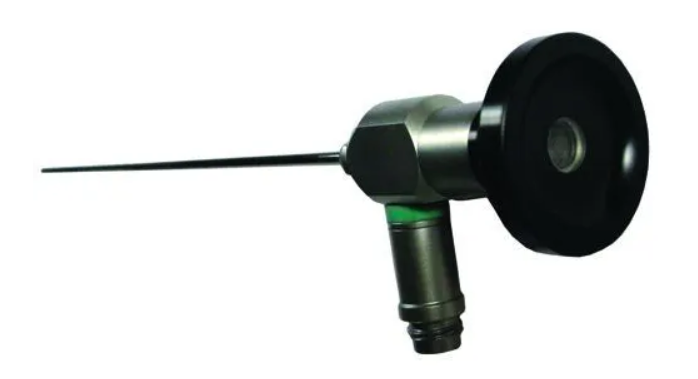
Even with the right inspection camera, technique plays a major role in the quality of results. Tight spaces amplify small movements, and contact with internal surfaces can create risk for both the tool and the component. A disciplined approach improves safety and repeatability.
Navigation discipline
Successful navigation is usually slow and methodical. A few habits that help in confined areas:
- Use known reference points so you can orient yourself consistently
- Advance the probe gradually and avoid forcing bends
- Minimize contact with blades, vanes, and sensitive surfaces
- Pause frequently to stabilize the view before capturing evidence
- Retract slightly when needed to regain control instead of pushing harder
These habits reduce probe wear and help maintain consistent viewpoints for future comparisons.
Image capture habits
To produce documentation that holds up to review, capture images intentionally rather than grabbing the first view that looks acceptable. Strong habits include:
- Start with a wide context shot to show location
- Capture close detail after the area is clearly oriented
- Take multiple angles if a surface is reflective or irregular
- Record short video clips to show how the view changes with angle
- Label images by component, stage, and viewpoint for repeatability
These steps support quality review and reduce the chance of disagreements later.
Accessories and setup that solve real field constraints
Hard to reach inspections often fail because of small practical issues, not because the camera lacks resolution. Accessories and setup practices can remove friction and improve outcomes.
Useful support elements can include:
- Guides or insertion aids that reduce snagging and improve control
- Protective sleeves or covers when routing through tight areas
- Retrieval tools for removing debris or confirming that loose material is not present
- Protective cases and organized storage that keep probes and optics clean
- Portable setups for line maintenance where time and space are limited
When tools are transported frequently, durability and storage discipline matter because damaged optics or compromised articulation quickly degrade inspection quality.
Building a repeatable inspection process across teams
The best inspection camera is the one that produces consistent results across different technicians, shifts, and locations. That requires a simple process that standardizes how inspections are performed and documented.
Key elements of a repeatable program include:
- Standard work instructions for access, routing, and target viewpoints
- A consistent naming and labeling system for images and video
- Reference images of acceptable conditions for common components
- Defect examples that help technicians avoid false calls
- Periodic quality reviews of inspection media to maintain consistency
- Training refreshers focused on lighting, articulation control, and safe navigation
Consistency is not only about compliance. It is about making the inspection evidence dependable, so decisions are faster and more confident.
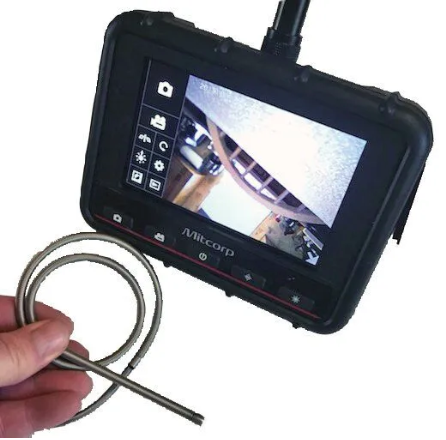
Hard-to-reach aircraft components demand inspection tools that are purpose built for tight access, complex routing, and reflective surfaces. Specialized borescopes and videoscopes make it possible to navigate confined spaces safely, capture clear evidence, and document conditions in a way that supports review and trending. When combined with disciplined technique and standardized documentation, these tools reduce guesswork and help maintenance teams catch issues early, before they become removals or delays.
To explore inspection cameras suited for tight aviation spaces, visit their products page. To learn more about USA Borescopes or to discuss the right setup for your inspection needs, contact the team here.
About The Author
The author is an independent aviation inspection and maintenance technology writer with extensive experience documenting remote visual inspection best practices. They focus on tool selection, field ready techniques, and documentation workflows that improve repeatability across maintenance teams.

