When planning an accessibility project, selecting the right materials for tactile indicators is critical. Two popular options stand out in the market: stainless steel tactile studs and polyurethane tactile indicators. Each offers distinct advantages and considerations. Understanding the differences between these materials will help you make an informed decision that aligns with your project needs and budget.
Tactile indicators serve as essential navigation aids for visually impaired individuals. They provide haptic feedback that guides users through public spaces safely and independently. Whether you’re outfitting a transit station, airport, or commercial building, choosing between stainless steel and polyurethane materials requires careful evaluation of durability, cost, maintenance, and performance.
Understanding Stainless Steel Tactile Studs
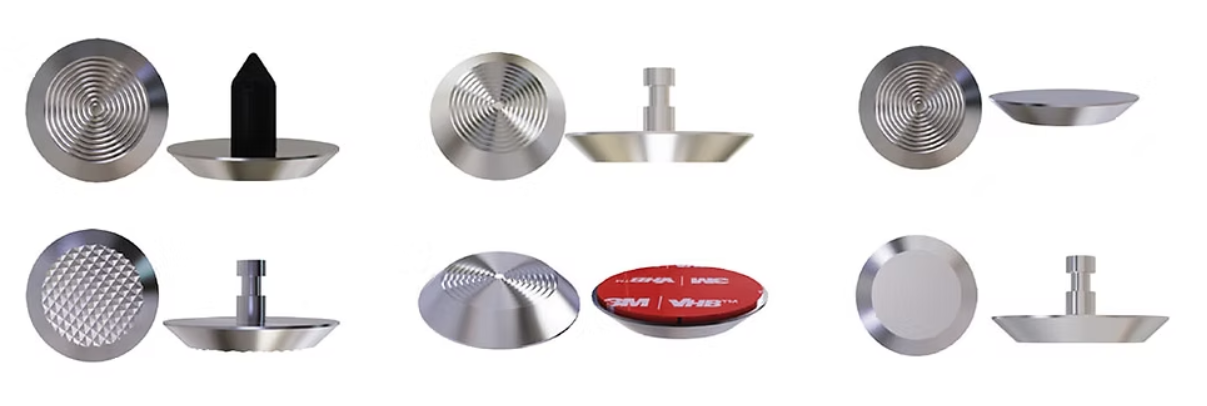
Stainless steel tactile studs have been the industry standard for decades. They represent a premium choice for accessibility solutions, particularly in high-traffic environments.
Key characteristics of stainless-steel options:
-
Superior durability: Withstands extreme weather conditions, UV exposure, and constant foot traffic without degradation
-
Longevity: Maintains structural integrity for 20+ years with minimal maintenance
-
Weather resistance: Performs exceptionally in rain, snow, and humid climates without corrosion
-
High grip strength: Provides consistent tactile feedback in wet and dry conditions
-
Aesthetic appeal: Maintains a polished appearance suitable for modern infrastructure projects
-
Temperature stability: Functions reliably in extreme hot and cold environments
Stainless steel studs are ideal for outdoor applications, high-traffic pedestrian areas, and projects requiring long-term performance without frequent replacement. They excel in transit systems, platforms, and public spaces where safety is paramount.
Exploring Polyurethane Tactile Indicators
polyurethane tactile studs have gained popularity as a cost-effective alternative. This material offers flexibility and practicality for various applications.
Key characteristics of polyurethane options:
-
Affordability: Significantly lower initial investment compared to metal alternatives
-
Easy installation: Can be installed quickly using adhesive application, reducing labor costs
-
Flexibility: Adapts to various surface types and installation scenarios
-
Lightweight: Simplifies transportation and handling during installation
-
Customization: Available in different colors for aesthetic or wayfinding purposes
-
Maintenance simplicity: Requires less specialized care and upkeep
Polyurethane tactile indicators work well for indoor applications, renovations, and temporary installations. They’re suitable for facilities with budget constraints or shorter-term projects.
Comparing Performance and Application
The choice between stainless steel tactile studs and polyurethane tactile indicators depends on your specific project requirements.
Durability considerations: Stainless steel provides superior longevity, making it more cost-effective for permanent installations despite higher upfront costs. Polyurethane works well for temporary solutions or indoor environments protected from harsh weather.
Installation differences: Polyurethane options offer quicker installation with adhesive application, while stainless steel studs typically require welding or mechanical fastening. This affects project timelines and labor expenses.
Maintenance requirements: Stainless steel studs demand minimal maintenance over their lifetime. Polyurethane indicators may require replacement every five to ten years, depending on traffic volume and environmental conditions.
Surface compatibility: Polyurethane adapts easily to existing surfaces without preparation. Stainless steel studs work best on surfaces designed to accommodate them during construction.
Climate factors: Choose stainless steel for outdoor environments, humid regions, or areas experiencing temperature extremes. Polyurethane suits controlled indoor settings where weather exposure is minimal.
Making Your Decision
Evaluate your project timeline and budget first. Temporary installations or renovations with budget limitations favor polyurethane options. Permanent infrastructure projects justify the investment in stainless steel studs.
Consider the installation environment. High-traffic outdoor areas absolutely demand stainless steel for safety and durability. Indoor commercial spaces might benefit from the flexibility and cost savings of polyurethane.
Think about maintenance capacity. If your facility has limited resources for regular upkeep, stainless steel’s minimal maintenance requirements prove advantageous long-term.
Assess traffic patterns and safety criticality. Areas requiring maximum safety performance and constant use need stainless steel’s reliability. Lower-traffic or protected areas can utilize polyurethane effectively.
Conclusion
Both stainless steel tactile studs and polyurethane tactile indicators serve important roles in accessibility solutions. Neither choice is universally superior; the best option depends on your specific circumstances. Stainless steel offers unmatched durability and reliability for permanent installations, while polyurethane provides affordability and flexibility for various applications. By carefully evaluating your project requirements, environment, and long-term needs, you’ll select the material that delivers optimal safety, performance, and value for your accessibility investment.