The Everest Base Camp Trek is one of the most iconic and sought-after trekking adventures in the world. Known for its breathtaking landscapes, rich cultural encounters, and the thrill of standing at the base of the highest mountain on Earth, this journey attracts thousands of trekkers every year. Whether referred to as the Everest Base Camp Trek or the Trek to Everest Base Camp, the experience remains equally extraordinary—offering a perfect blend of natural beauty, physical challenge, and personal achievement.
Introduction to the Everest Base Camp Trek
The Everest Base Camp Trek takes you deep into the heart of the Himalayas, leading to the base of Mount Everest at an altitude of approximately 5,364 meters (17,598 feet). Located in Nepal’s Khumbu region, the trek is not just about reaching a destination—it is about immersing yourself in a once-in-a-lifetime journey through remote villages, ancient monasteries, and rugged mountain terrain.
Trekkers typically begin their adventure with a scenic flight to Lukla, a small mountain airstrip that serves as the gateway to the Everest region. From there, the trail winds through picturesque Sherpa villages such as Namche Bazaar, Tengboche, and Dingboche, each offering unique insights into local culture and traditions.
Scenic Beauty and Natural Wonders
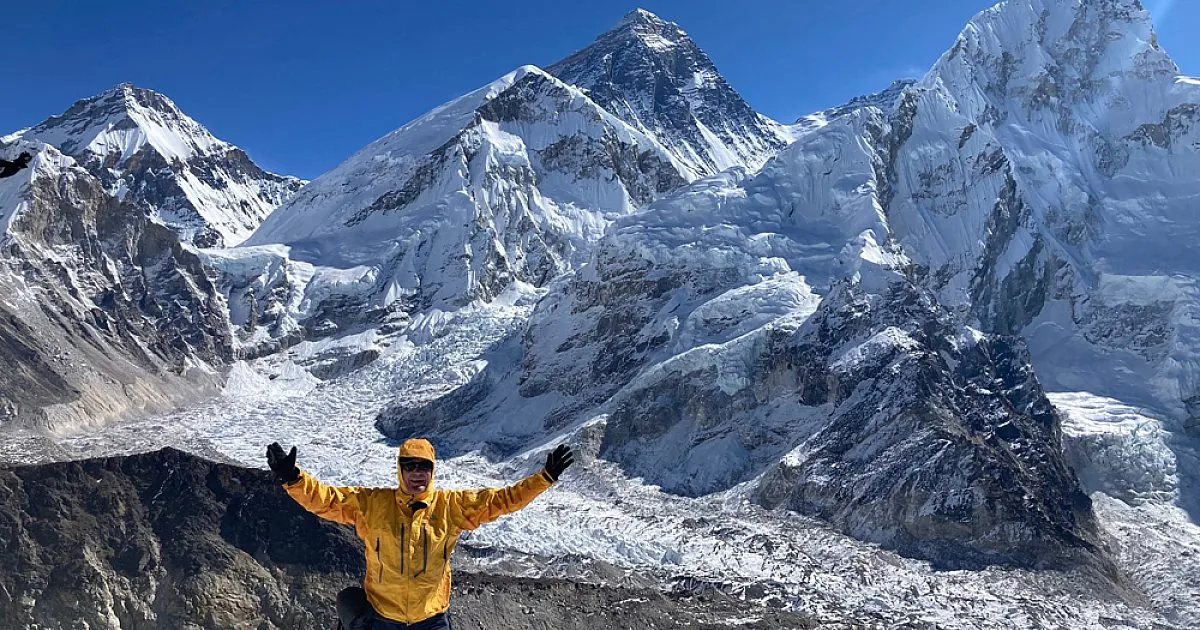
One of the most compelling aspects of the Everest Base Camp Trek is its unparalleled natural beauty. The trail offers panoramic views of some of the world’s highest peaks, including Everest, Lhotse, Nuptse, and Ama Dablam. Snow-capped mountains tower above lush valleys, glacial rivers, and dense forests of rhododendron and pine.
As trekkers ascend higher, the landscape gradually transforms from green vegetation to stark alpine terrain. The Khumbu Glacier, one of the largest glaciers in the Himalayas, is a major highlight of the trek. Walking alongside this massive ice formation provides a surreal and humbling experience.
Sunrises from viewpoints such as Kala Patthar are particularly unforgettable. Watching the first rays of sunlight illuminate the summit of Everest is a magical moment that remains etched in memory forever.
Cultural and Spiritual Experience
The Trek to Everest Base Camp is not only a physical journey but also a cultural exploration. The region is home to the Sherpa people, renowned for their mountaineering skills and warm hospitality. Trekkers have the opportunity to interact with locals, learn about their traditions, and experience their way of life.
Buddhism plays a significant role in the region, and this is evident through the many monasteries, prayer wheels, and colorful prayer flags that line the trail. Tengboche Monastery, the largest in the Khumbu region, is a spiritual highlight where trekkers can witness daily rituals and soak in the serene atmosphere.
The cultural richness adds depth to the trekking experience, making it more than just a physical challenge—it becomes a journey of understanding and appreciation.
Physical Challenge and Preparation
The Everest Base Camp Trek is considered a moderate to challenging trek, requiring a good level of physical fitness and mental determination. The high altitude, long walking hours, and rugged terrain can be demanding, especially for those who are not accustomed to trekking.
Proper acclimatization is crucial to avoid altitude sickness. Most itineraries include rest days at strategic points such as Namche Bazaar and Dingboche to help the body adjust to decreasing oxygen levels.
Preparation for the trek should include cardiovascular training, strength exercises, and practice hikes. Packing the right gear is equally important, including sturdy trekking boots, warm clothing, and essential equipment.
Despite the challenges, the sense of accomplishment upon reaching Everest Base Camp makes every step worthwhile.
Best Time for the Trek
The best time to undertake the Everest Base Camp Trek is during the spring (March to May) and autumn (September to November) seasons. During these months, the weather is relatively stable, and the skies are clear, offering stunning mountain views.
Spring brings blooming rhododendrons and vibrant landscapes, while autumn provides crisp air and excellent visibility. Winter treks are possible but come with extreme cold, while the monsoon season is generally avoided due to heavy rainfall and slippery trails.
Choosing the right season greatly enhances the overall experience and ensures safer trekking conditions.
Accommodation and Facilities
Accommodation along the Trek to Everest Base Camp is typically in tea houses—small lodges run by local families. These provide basic yet comfortable facilities, including a bed, meals, and a place to rest.
While the amenities become more basic at higher altitudes, the warmth and hospitality of the hosts make up for it. Meals usually consist of local dishes such as dal bhat (rice and lentils), noodles, soups, and simple Western options.
Electricity, Wi-Fi, and hot showers are available in some areas but may come at an additional cost. Trekkers are advised to carry essentials such as power banks and water purification tablets.
Environmental Responsibility
With the growing popularity of the Everest Base Camp Trek, environmental conservation has become increasingly important. Trekkers are encouraged to follow responsible trekking practices, such as minimizing waste, avoiding plastic bottles, and respecting local customs.
Many organizations and local communities are working towards sustainable tourism to preserve the natural beauty and cultural heritage of the region. Being a responsible traveler ensures that future generations can also enjoy this incredible journey.
Conclusion
The Everest Base Camp Trek, also known as the Trek to Everest Base Camp, is more than just a trekking adventure—it is a transformative experience that challenges the body, enriches the mind, and nourishes the soul. From awe-inspiring mountain views to meaningful cultural interactions, every moment of the journey offers something unique and unforgettable.
While the trek demands preparation and perseverance, the rewards are immense. Standing at the base of Mount Everest, surrounded by towering peaks and pristine landscapes, is a moment of pure triumph and wonder. For those seeking adventure, self-discovery, and a connection with nature, the Everest Base Camp Trek remains an unparalleled journey that truly lives up to its legendary status.