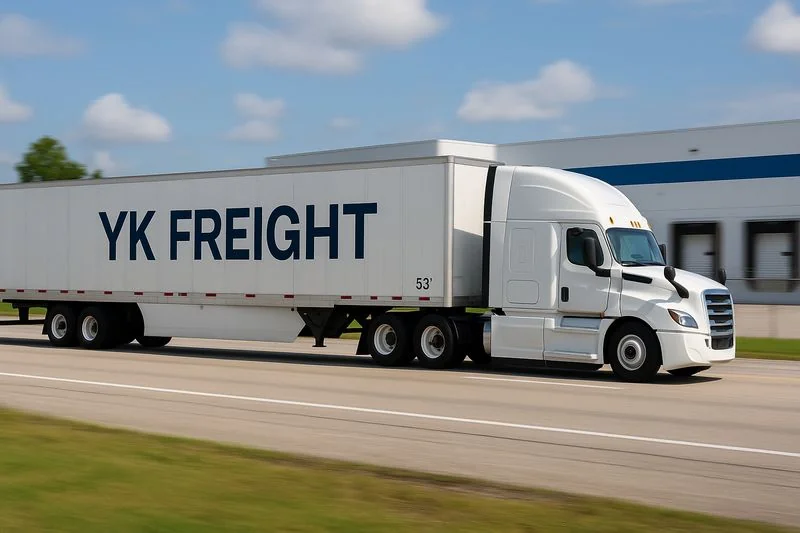
People usually think trucking is all the same until they actually need it. Then the details start showing up fast. Load type matters. Timing matters. Route planning matters even more when delays start stacking up. That is where dry van trucking georgia becomes important for businesses that need regular shipping without making the process more complicated than it already is. A dry van setup works for a lot of common freight because it stays enclosed, flexible, and practical for day-to-day transportation.
Why enclosed freight keeps things simpler
A lot of businesses do not need special temperature control or oversized trailers. They just need freight moved safely, on time, and without weather causing extra trouble. That is one big reason dry van service stays in demand. With dry van trucking companies georgia, shippers usually look for reliability first, not flashy promises. An enclosed trailer helps protect packaged goods, retail items, boxed freight, and palletized shipments from rain, road dust, and other small issues that become expensive later.
Freight planning starts before the trailer moves
People sometimes focus only on pickup and delivery times. That is not the whole picture. Good freight movement starts earlier than that, with load scheduling, dock coordination, route timing, and communication between the shipper and carrier. A strong, dry van trucking operation in Georgia should make those early steps feel organized instead of messy. When the planning side gets ignored, the whole shipment starts feeling heavier than it should. Small delays at the beginning have a bad habit of growing throughout the trip.
Georgia routes need practical timing, not guesswork.
Georgia is busy in the way freight states usually are. Warehouses, distribution points, manufacturers, and regional deliveries all create pressure on timing. That means routes have to be planned with some common sense instead of just optimistic scheduling. Many dry van trucking companies georgia work best when they understand local freight patterns, loading windows, and how regional traffic affects delivery flow. It sounds basic, though that local awareness saves time and reduces the kind of delay that quietly breaks a shipping schedule.
Trailer space only helps when loading is done right.
A dry van can carry a wide range of freight, though space alone does not solve everything. Load balance, pallet arrangement, securement, and dock handling all affect how smoothly the shipment actually moves. A practical dry van trucking Georgia service should pay attention to those details without turning every job into a headache. Freight that is loaded poorly causes problems later, even on a simple run. The trailer may be enclosed, but that does not prevent mistakes made before departure.
Communication matters more than most shippers admit
A shipment usually feels manageable when updates are clear. It starts feeling stressful when nobody knows where the load stands or what has changed along the route. That is why businesses often judge carriers by communication as much as delivery performance. Good dry van trucking companies georgia should keep updates direct, useful, and easy to understand. Shippers do not need dramatic explanations. They need status clarity, timing honesty, and enough information to manage customers, warehouse staff, or downstream delivery expectations without confusion.
Dry van service works best for repeat freight needs.
Some shipping jobs are one-time moves, though many businesses need steady transportation every week. That is where consistency matters more than sales talk. A dependable dry van trucking georgia provider should be able to support routine shipments without making every dispatch feel like a fresh scramble. The same thing applies when comparing dry van trucking companies georgia for longer-term use. Businesses usually want service that feels predictable, responsive, and capable of handling normal freight volume without unnecessary friction.
Conclusion .
Choosing the right freight partner usually comes down to timing, communication, loading quality, and whether the service feels steady under normal business pressure. On ykfreight.com, shippers should compare route planning, trailer fit, update quality, and operational consistency before making any long-term logistics decision. Those practical points matter much more than polished claims or oversized promises that sound impressive for a moment. A thoughtful choice helps freight move with fewer disruptions and less avoidable stress. Review your shipping needs carefully, ask direct operational questions, and work with a carrier that fits your real freight flow.

.png "Setting Up Your HP Printer for the First Time: A No-Nonsense Guide")