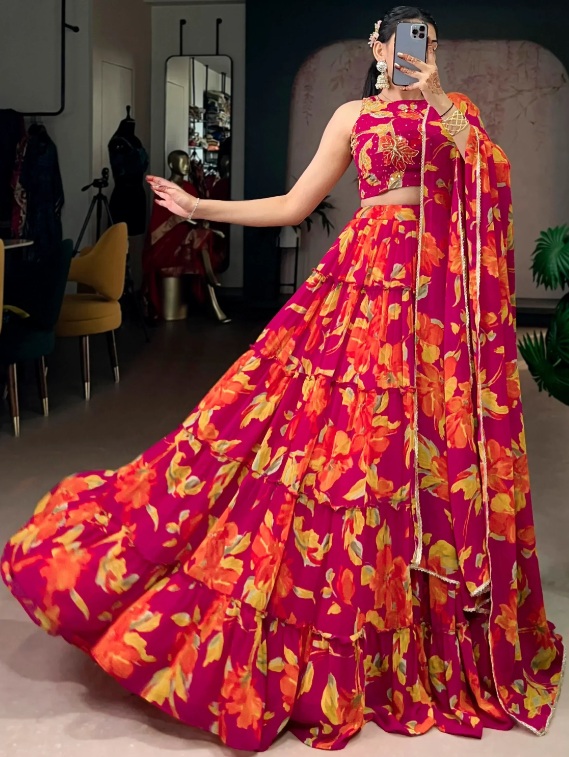
Fashion trends may change with every season, but certain design elements remain consistently relevant. Among them, floral patterns have maintained a lasting presence across generations, cultures, and fashion categories. Whether used in traditional attire or contemporary collections, floral motifs continue to inspire designers and attract consumers. Their enduring appeal lies in their ability to combine artistic beauty with timeless elegance.
The popularity of the Floral Lehenga and Floral Lehenga Choli reflects the ongoing influence of nature-inspired design in ethnic fashion. These garments demonstrate how floral patterns can evolve with changing trends while remaining connected to themes of creativity, freshness, and cultural expression. As fashion continues to embrace new ideas, botanical motifs remain one of the most recognizable and versatile sources of inspiration.
The Enduring Connection Between Nature and Fashion
Nature has influenced fashion for centuries. Designers often draw inspiration from flowers, landscapes, and organic forms because they offer endless possibilities for creativity.
Unlike short-lived trends, natural themes possess a timeless quality that allows them to remain relevant across different eras. Floral patterns, in particular, have become a universal design language because they can be interpreted in countless ways.
From delicate motifs to bold artistic prints, floral elements continue to appear in fashion collections around the world. Their ability to adapt to changing tastes has contributed to their lasting popularity.
This enduring relationship between nature and design helps explain why floral-inspired garments continue to thrive ethnically.
Why Floral Patterns Remain Popular
One reason floral patterns remain influential is their versatility. Designers can use botanical motifs to create a wide variety of visual effects, ranging from traditional elegance to contemporary creativity.
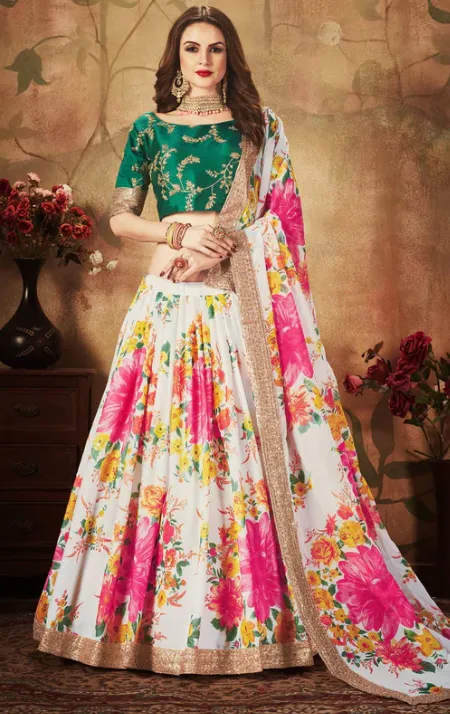
A Floral Lehenga can feature subtle patterns that emphasize sophistication or larger artistic designs that create a more dramatic impression. This flexibility allows floral motifs to appeal to diverse consumer preferences.
Unlike highly trend-specific designs, floral patterns often feel familiar and accessible. Their universal appeal enables them to remain fashionable even as broader trends evolve.
This adaptability has helped establish floral design as a lasting feature of ethnic wear.
The Art of Pattern Storytelling
Fashion is often viewed as a form of visual communication, and patterns play an important role in that process. Floral designs are particularly effective because they can convey different moods, themes, and aesthetic influences.
Designers frequently use botanical motifs to create narratives inspired by nature, seasons, and artistic traditions. Through color, scale, and arrangement, floral patterns can communicate elegance, energy, romance, or creativity.
The Floral Lehenga Choli demonstrates how patterns can become central design elements rather than decorative additions. In many cases, the motif itself becomes the defining characteristic of the garment.
This storytelling aspect contributes significantly to the continued popularity of floral fashion.
How Floral Motifs Evolve With Fashion Trends
One of the reasons floral patterns remain relevant is their ability to evolve. Designers continuously reinterpret botanical themes to align with contemporary tastes and consumer expectations.
Modern floral designs often incorporate:
- Abstract artistic influences
- Digital printing techniques
- Minimalist pattern arrangements
- Oversized botanical elements
- Contemporary color palettes
These innovations allow floral motifs to feel current while maintaining their connection to nature-inspired aesthetics.
As a result, floral fashion continues to attract both traditional and trend-conscious consumers.
The Emotional Appeal of Nature-Inspired Design
Consumers often respond positively to designs inspired by nature because they create a sense of familiarity and visual comfort. Floral motifs are widely associated with beauty, growth, and creativity, making them appealing across different fashion categories.
This emotional connection helps explain why botanical patterns continue to resonate with consumers despite changing trends. Personal preferences and emotional responses often influence fashion choices, and nature-inspired designs naturally support these connections.
The ongoing popularity of floral ethnic wear reflects this broader appreciation for patterns that feel both expressive and timeless.
Why Designers Continue to Embrace Botanical Inspiration
For designers, floral motifs offer a balance between tradition and innovation. While flowers have long been part of fashion history, they provide enough flexibility to support new creative interpretations.
This versatility makes botanical inspiration an enduring resource within the fashion industry. Designers can continually reinvent floral themes while preserving the familiar qualities that consumers appreciate.
The success of the Floral Lehenga and Floral Lehenga Choli demonstrates how nature-inspired design remains relevant in an industry that constantly seeks fresh ideas.
Final Thoughts
The continued popularity of the Floral Lehenga and Floral Lehenga Choli highlights the enduring influence of nature-inspired patterns in ethnic fashion. Floral motifs have remained relevant because they combine artistic expression, versatility, and timeless appeal.
As designers continue to reinterpret botanical themes for modern audiences, floral patterns will likely remain an important part of fashion’s creative landscape. Their ability to balance tradition with innovation ensures that nature-inspired design continues to flourish across generations and evolving style preferences.